
Hidden water leaks
Recurring wall stains, damp ceilings or moisture with no visible source.
Explore hidden water leaksFind the source. Plan the next step.
If a wall stays damp, water use rises or the pool needs another top-up, start by understanding what needs checking. Describe the problem and discuss an inspection before committing to a repair.
Tell us what you’re noticing. Discuss inspection options, cost and availability.
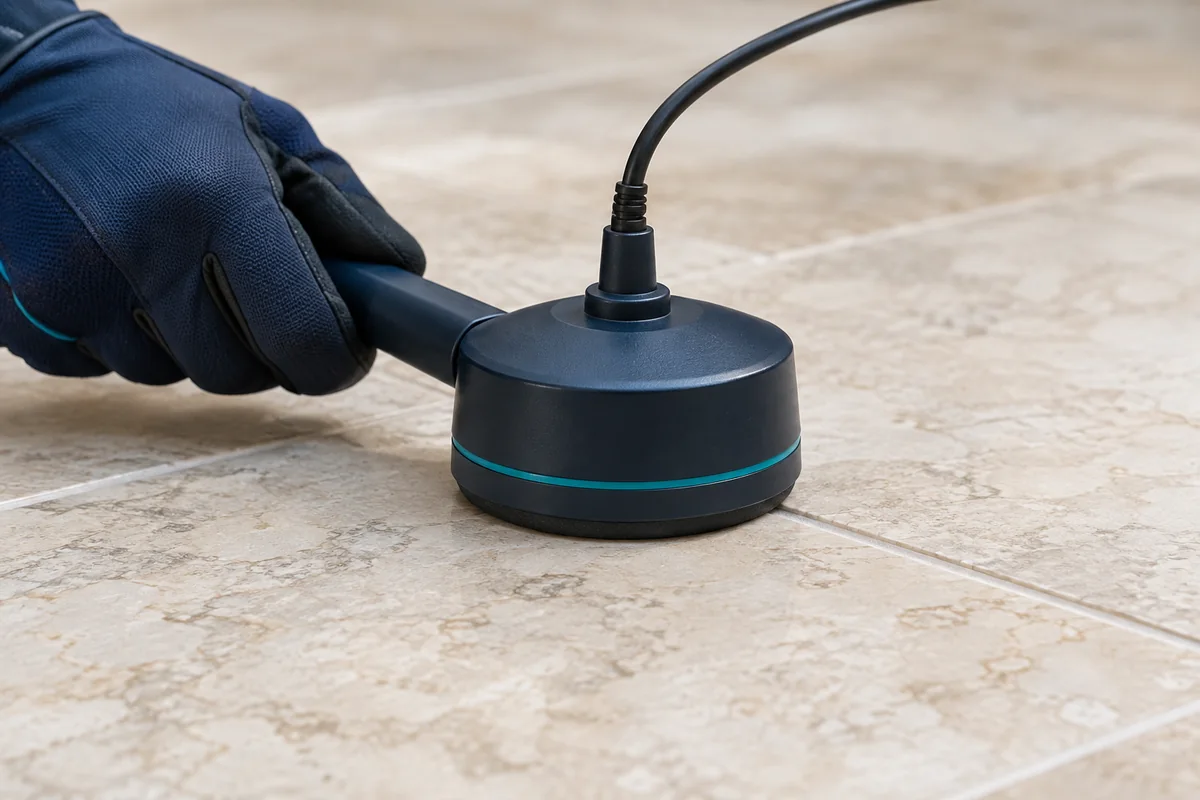
Leak detection services
Leak detection investigates unexplained water loss and narrows down where it starts. The right inspection depends on the plumbing, property and symptoms.
Recurring wall stains, damp ceilings or moisture with no visible source.
Explore hidden water leaksWarm or damp flooring and suspected plumbing beneath concrete.
Explore slab leak detectionUnexplained wet ground or water loss along a buried supply line.
Explore underground leaksRepeated water loss from a pool, fittings or connected plumbing.
Explore pool leak detectionSoggy lawn areas, weak sprinkler zones or leaking irrigation valves.
Explore irrigation leaksInspection planning for offices, shops, condos and managed buildings.
Explore commercial leaksWater can travel before it becomes visible. A ceiling stain may need hidden water leak detection, while persistent pool water loss calls for pool-specific testing. Describe every symptom on the call so the inspection can address the relevant system.
Recognize the signs
A leak does not always leave a puddle. Note what has changed, where it happens and whether it follows water use. A short timeline can make the first conversation more useful.
Start with accessible fixtures and recent usage records. A change in a water bill can also reflect irrigation, pool filling or a change in occupancy. The symptoms guide testing; they do not confirm a leak by themselves.
Unexplained use after checking toilets, faucets, appliances and watering schedules.
Damp walls, peeling paint, swollen baseboards or a stain that grows after fixture use.
A warm patch, damp flooring or water sounds can justify discussing slab leak testing.
A soggy lawn, weak sprinkler zone or recurring wet ground may need irrigation testing or buried-line investigation.
From concern to a clear plan
Call with the property address, affected room or system, and when the problem began. Mention active water loss and any building-access requirements.
Discuss suitable tests, the next available appointment and the diagnostic fee. Ask who will attend and what access or authorization is needed.
Request an explanation of the evidence and any testing limitations. Agree separately on repair, access openings and restoration before work starts.
Preparing a few details can help avoid misunderstandings. Use our call checklist for homes, condominiums and managed properties.
Understand the inspection
Pipe material, line routing, water pressure, background noise and access all influence an investigation. Combining observations with suitable testing is more useful than relying on a single surface symptom.
Ask what the proposed tests can establish, what may remain uncertain and how the result will be documented. Some investigations still need access openings after less invasive checks.
For example, FLIR’s moisture guidance explains the role and limits of thermal imaging.
Listening equipment can help investigate the sound of water escaping from pressurized pipes where site conditions permit.
Appropriate sections can be tested separately to narrow down which part of a system may be losing water.
Moisture readings and surface temperature patterns help guide testing. A thermal camera does not see through walls.
Visual inspection, suitable dye tests and plumbing tests can help separate shell, fitting and connected-line concerns.
Start with what you can see
You do not need to diagnose the leak before calling. Choose the closest symptom for a useful starting point.
Record whether it changes after plumbing use, rain or air-conditioning operation. Moisture can travel before it becomes visible. A hidden-water-leak investigation can help establish what needs testing; a stain alone does not confirm a pipe leak.
Note the location and timing, and whether nearby fixtures were used. Ask about slab leak detection if supply plumbing beneath the floor is suspected. A warm tile on its own is not enough reason to open the floor.
A patch that follows watering may call for irrigation checks. Persistent unexplained water use can require buried supply-line investigation. Mention rainfall and any separate irrigation supply; the symptoms may have more than one cause.
Keep notes on top-ups, rain and normal equipment operation. Pool leak detection addresses the shell, fittings and connected lines. Confirm that scope when calling; a household plumbing visit does not automatically include a pool inspection.
Check recent occupancy, pool filling and watering changes. Miami-Dade Water and Sewer explains how meter observations can help identify possible water loss. Shared or inaccessible meters need coordination with the manager or utility; do not assume a unit's bill identifies the source.
This guide helps you describe the concern. It does not diagnose the cause or confirm availability.

Coral Gables, Miami-Dade County
From a shop near Miracle Mile to a home near Granada Golf Course, the exact address and property access matter. These local guides help you prepare the right information for your inspection.
Share your exact address to confirm coverage and appointment availability.
Pricing & inspection scope
Leak detection pricing depends on the system, accessibility, testing time and documentation you need. A short visible-pipe check and a search through several concealed plumbing branches are different scopes.
Ask for a diagnostic quote that explains the tests included and what happens if the first checks are inconclusive. Clarify whether locating and marking, photographs, written findings or a return visit are included.
Detection, opening a wall or floor, repairing a pipe, drying the area and restoring finishes can be separate charges. Request written approval terms for additional work.
Commercial and condo inspections can also require coordinated access, planned water interruptions or additional reporting. Explain those requirements when discussing cost.
Miami-Dade Water and Sewer’s leak detection tips explain useful meter observations. Contact the utility about account questions or suspected utility-side problems.
Make the visit useful
A useful inspection explains what was checked and what the evidence supports. Before the visit ends, make sure you understand the location, the remaining uncertainty and the next decision.
For a condo, share the relevant findings with the building manager. For a proposed alteration, the City of Coral Gables Development Services is the official starting point for permitting information; confirm the requirements for the actual work.
Keep the details together
Record where the water appears, when it changes and who can arrange access. Bring the notes to the call or visit so you do not have to recall everything from memory.
Open the printable worksheetNo sign-up or upload. Print it and fill it in privately.
Confirm the attending company's name, relevant credentials and insurance. Read reviews for that exact company and look for explanations of testing and communication, not just a star average.
Then agree on the inspection scope before booking. A clear answer about limitations is more useful than an unsupported promise to find every leak without opening anything.
A little clarity helps
Practical answers for planning an inspection and understanding what comes next.
Note the location, timing and whether the symptom follows fixture use, rain or equipment operation. If safe, check accessible connections and recent usage records. Call with your address and observations to discuss a suitable inspection.
The fee depends on the system, access, tests and reporting required. Ask for the diagnostic price before booking and clarify whether access openings, repair, restoration and return visits are separate.
Acoustic listening, moisture readings and other suitable checks can help narrow a search. Some situations still need access openings. Ask what the tests can establish and how additional work will be approved.
No. Irrigation schedules, pool filling, occupancy changes and billing factors can also affect usage. Check accessible fixtures and usage history, then ask about persistent unexplained changes.
Detection investigates the source; repair addresses the confirmed fault. Drying and finish restoration may be separate again. Confirm which services are included in the agreed scope.
Call to discuss the system and symptoms. Pools, irrigation and household supply plumbing can need different tests and equipment, so confirm the inspection scope and availability before booking.
Ask for the company name, relevant credentials, insurance information, diagnostic scope and written price. Explain access restrictions and agree how any extra testing or repair will be authorized.
Start with a conversation
Share the signs you’re seeing and the property address. Discuss inspection options and a clear next step.
Ask about scope, pricing and the next available appointment.
