7 signs of a slab leak (and what to do next)
Most homes in Coral Gables sit on concrete slabs. Here’s how to tell if a pipe under yours is leaking.
Read articlePool leaks
South Florida pools lose water to the sun every day. Here’s how to tell normal evaporation from a real leak.
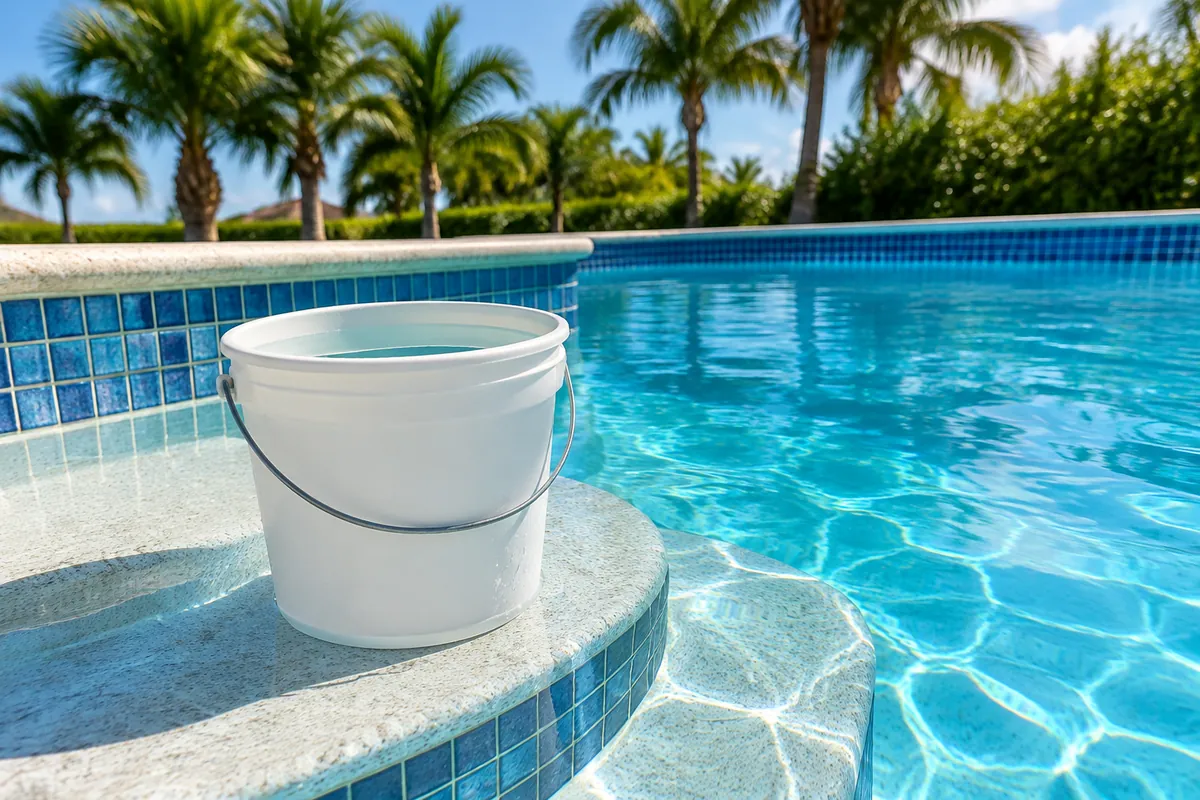
Every outdoor pool loses some water to evaporation. In South Florida’s heat it’s common to lose around a quarter inch a day, and more on hot, dry or windy days, or if you run a heater, waterfall or fountain. So how do you know when it’s a leak?
This simple test compares your pool’s water loss with normal evaporation under the same conditions.
Fill it to about an inch from the top and set it on the first or second pool step, so it’s at the same temperature.
Mark the water level inside the bucket, and the pool’s level on the outside of the bucket. Turn off any auto-fill.
Run the pump as you normally would.
If the pool dropped more than the water in the bucket, you likely have a leak.
Repeat the test with the pump off. If the pool loses more with the pump running, the leak is likely in the plumbing. If the loss is the same either way, the shell, lights or fittings are more likely.
The conduit and seal around underwater lights are common leak points.
The joint between the skimmer and the pool shell can crack and separate.
Seals around fittings wear out over time.
Lines between the pool and the equipment can crack, especially near trees.
Professional pool leak detection uses dye testing around fittings, pressure testing of each plumbing line and listening equipment to find leaks without draining the pool. Learn more about pool leak detection in Coral Gables.
Around a quarter inch a day is common in warm weather, more on hot, windy days. Consistently more than that suggests a leak.
Usually not. Dye and pressure tests are done with the pool full.
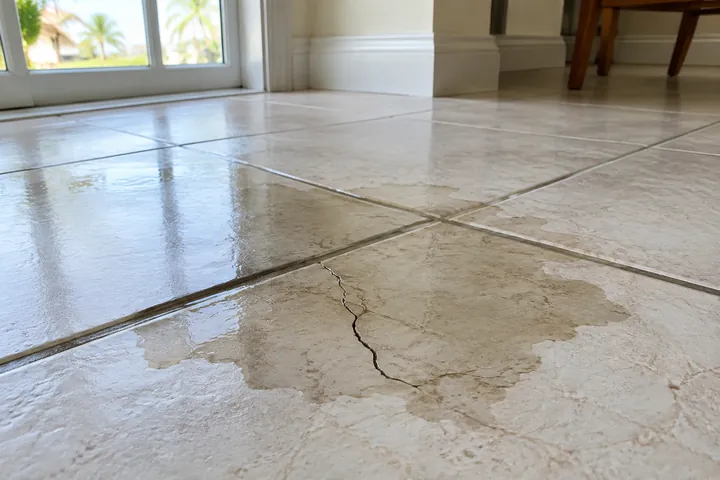
Most homes in Coral Gables sit on concrete slabs. Here’s how to tell if a pipe under yours is leaking.
Read article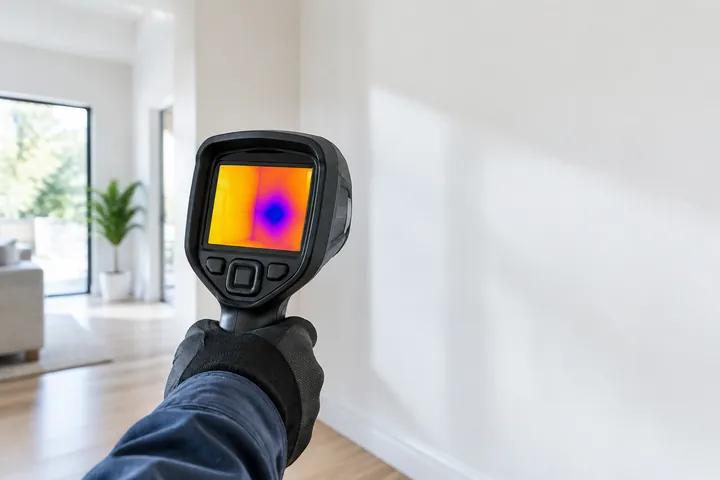
A plain-English look at the tools specialists use to find a leak behind walls, under slabs and underground.
Read article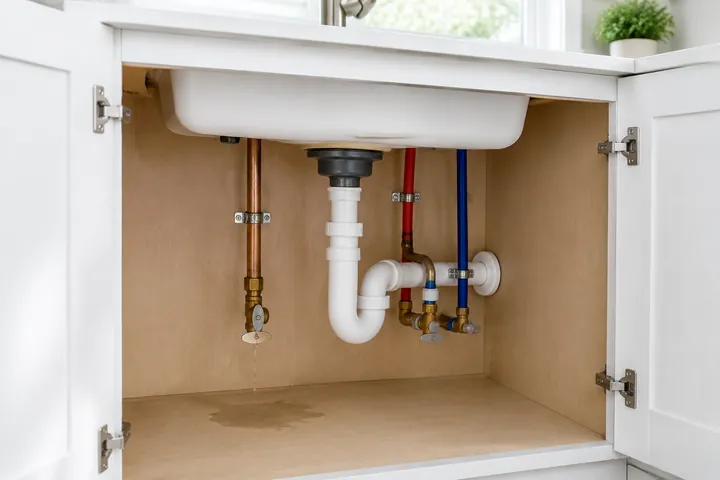
If you can see the leak, call a plumber. If you only see the signs, start with leak detection. Here’s why.
Read articleThe sooner it’s found, the smaller the repair. Calls are answered 24/7.